


Understanding Traffic Signs and Signals
As a responsible car owner, it’s crucial to understand traffic signs and signals, which guide you safely through various driving situations. Traffic lights tell you when to stop, prepare to stop, or go—red means stop completely before the line or crosswalk, yellow signals that you should prepare to stop unless it’s unsafe, and green means you can proceed if the road is clear. Stop signs require a full stop before continuing, while yield signs mean slowing down and giving priority to other vehicles or pedestrians. Always obey speed limits but be ready to adjust your speed based on weather, traffic, or road conditions.
Right of Way Rules
Knowing who has the right of way helps avoid collisions and keeps traffic flowing smoothly. Vehicles already inside a roundabout have priority, and at four-way stops, the first vehicle to arrive proceeds first. Pedestrians always have the right of way at crosswalks, so you must stop to let them pass. When turning left, yield to oncoming traffic. Implementing strategic traffic control at busy intersections ensures these rules are clear and followed, reducing confusion and accidents.
Lane Usage and Signaling
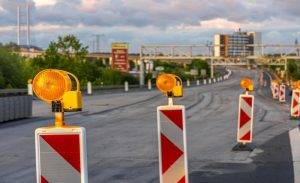 Proper lane use and signaling are key to safe driving. Stay in the lane that matches your intended direction and use your turn signals at least 100 feet (30 meters) before turning or changing lanes. Avoid sudden lane changes and always check mirrors and blind spots to prevent collisions.
Parking Regulations
Only park where it’s permitted and safe, paying close attention to parking signs. Avoid parking near intersections, fire hydrants, or pedestrian crossings. When parking on slopes, always apply your parking brake to prevent your vehicle from rolling.
Managing Speed Safely
Following posted speed limits is necessary, but safe driving also means adjusting your speed according to the conditions. Slow down in school zones, residential areas, and construction sites. Reduce speed in adverse weather such as rain, fog, or heavy traffic to maintain control and react safely.
Pedestrian and Cyclist Safety
Always watch for pedestrians, especially at crosswalks and intersections. Give cyclists plenty of room when overtaking and be extra cautious in residential neighborhoods and near schools to prevent accidents.
Using Headlights and Horn Correctly
Use headlights from dusk till dawn and whenever visibility is poor. Low beams are best in fog or heavy rain to avoid blinding other drivers. Use your horn only to alert others of immediate danger—not for casual communication.
Special Situations on the Road
Certain situations require extra caution. When emergency vehicles approach with sirens, safely pull over to allow them to pass. Stop for school buses with flashing red lights and extended stop signs. Always stop at railroad crossings when signals warn of an approaching train.
Essential Safety Precautions
Always wear your seatbelt and make sure passengers do too. Avoid distractions like mobile phones while driving. Never drive under the influence of alcohol or drugs, and keep a safe distance from the vehicle ahead—at least two seconds—to allow enough reaction time.
Consequences of Traffic Violations
Breaking traffic laws can result in fines, points on your license, or even suspension. Be mindful of speed and red-light cameras, and keep your vehicle registration and insurance current to avoid penalties.
Following these guidelines and supporting strategic traffic control efforts helps keep you and everyone else safe on the roads. Drive responsibly and stay alert!