

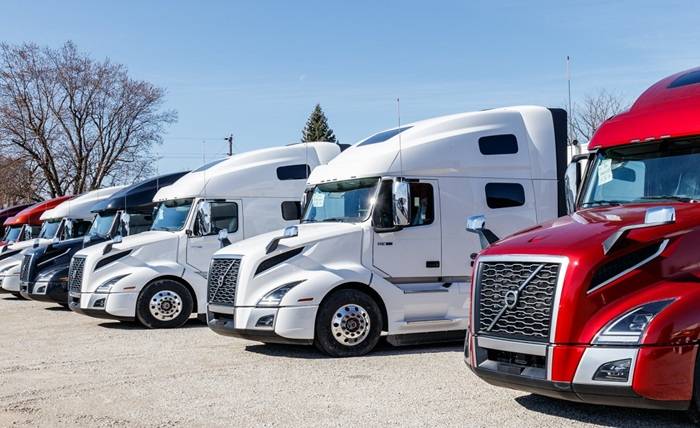
When it comes to growing a business, transportation plays a massive role and that’s exactly why so many companies actively search for used commercial trucks for sale instead of investing heavily in brand-new units. Pre-owned commercial trucks offer the perfect balance of affordability, dependability, and long-term value, especially for small- and mid-sized businesses looking to scale efficiently without draining capital. But finding the right truck requires more than scanning listings or comparing prices. You need to understand the market, evaluate the condition, and ensure the vehicle truly matches your operational needs.
In this guide, I’ll walk you through how to choose the right used commercial truck, what to look for when inspecting them, and how to avoid common buyer mistakes. Whether you’re in logistics, construction, delivery services, or starting your own fleet, this will help you make an informed, confident purchase.
Why Buying a Used Commercial Truck Makes Business Sense
For many business owners, choosing a used commercial truck isn’t just a cost-saving decision — it’s a strategic one. Used trucks come with significantly reduced upfront costs, lower depreciation rates, and often the same work capacity as newer models when properly maintained. The commercial vehicle market is full of durable machines built to last hundreds of thousands of miles with routine servicing.
If your goals involve scaling operations, expanding service areas, or simply reducing overhead, the used truck market allows you to get more value for every dollar invested. The best part? Many commercial trucks are retired from fleet companies with rigorous maintenance schedules, meaning you get a well-documented service history and trustworthy performance.
Understanding the Types of Used Commercial Trucks
Before you start browsing listings, it helps to have clarity on what type of truck aligns with your business operations. While there are dozens of categories, these are the core ones most businesses look for:
Box Trucks
Ideal for delivery services, furniture transport, equipment hauling, and local logistics. They’re versatile and typically low-maintenance.
Reefer Trucks
Essential for food, medical supplies, floral businesses, and any product needing temperature control.
Flatbed Trucks
Perfect for construction materials, machinery, and oversized items. Flexibility is their biggest advantage.
Pickup Trucks (Heavy-Duty)
Popular for contractors, landscapers, and utility service providers. They are durable, reliable, and fuel-efficient.
Semi-Trucks / Tractors
For long-haul transport companies or those expanding operations across states. Most come with strong engines designed for high mileage.
Choosing your category first ensures you narrow your search to trucks that actually support your operational workflow.
Key Factors to Consider Before Buying a Used Commercial Truck
Buying used isn’t just about finding a truck within your budget — it’s about ensuring the truck is capable, reliable, and built to last for your specific business needs. Here’s what you should pay attention to:
1. Mileage and Engine Hours
Unlike regular cars, total mileage is only part of the story. Commercial trucks often operate long idle hours. Engine hours help you understand true wear and tear, especially for diesel engines.
2. Maintenance Records
A well-maintained truck is far more important than a low-mileage one. Look for:
- Oil change history
- Brake replacements
- Transmission servicing
- Emission system repairs
These records paint a clear picture of how responsibly the truck was used.
3. Previous Usage
Fleet-managed trucks are usually the safest bet. Avoid trucks used in rough industries unless they show exceptional maintenance.
4. Condition of the Transmission
Transmission repairs are expensive. Test the truck, listen for unusual sounds, and ensure smooth shifting.
5. Tires and Suspension
Commercial tires are costly. If multiple tires need replacement, include this in your overall budget.
6. Body and Frame
Rust, welding marks, and uneven wear can indicate structural issues. Don’t take chances with chassis damage.
Certified vs. Regular Used Trucks: What’s the Difference?
Many reputable dealerships offer certified used commercial trucks, which typically include:
- Thorough inspection
- Reconditioned parts
- Limited warranty
These trucks cost slightly more but offer peace of mind. If you’re a new buyer or starting your fleet, certified trucks reduce risk significantly.
On the other hand, regular used trucks may come at lower prices but require deeper inspection and due diligence before purchase.
Where to Find Reliable Used Commercial Trucks
Choosing the right marketplace makes a big difference. The best places include:
Dealerships Specializing in Commercial Vehicles
They offer certified options, financing, and warranties.
Fleet Liquidation Auctions
Companies frequently sell old fleet units at lower prices. Sometimes you’ll find well-maintained trucks at excellent value.
Online Commercial Truck Marketplaces
Platforms with verified listings and inspection reports can help you narrow down options before in-person viewing.
Local Classifieds
Often undervalued, you can find offers from contractors upgrading their equipment.
Avoiding Common Mistakes When Buying Used Trucks
Even experienced buyers slip up sometimes. Here are the most common mistakes — and how you can avoid them.
Not Testing the Truck Under Load
A truck can behave perfectly fine when empty but reveal problems the moment it’s carrying weight.
Ignoring Total Cost of Ownership
Fuel consumption, tire replacement, insurance, and expected repairs should be part of your calculation.
Skipping Professional Inspection
For a relatively small fee, a certified mechanic can save you from a costly mistake.
Focusing Only on Price
The cheapest option often ends up costing the most in repairs and downtime.
How to Negotiate the Best Price for a Used Commercial Truck
Negotiation plays a huge role in the used commercial vehicle market. Here’s how to approach it:
- Research the market value for the same model, same year, and similar mileage.
- Point out any maintenance or repair requirements during inspection.
- Ask for service history, and use gaps in documentation to negotiate lower.
- Be prepared to walk away — sellers tend to offer better deals when they know you’re not dependent on one unit.
A well-informed buyer always gets the advantage.
Is Financing Available for Used Commercial Trucks?
Absolutely. Many dealerships and banks offer financing plans even for used vehicles. You may get:
- Low-interest loans
- Flexible payment terms
- Options for startups and small businesses
If you’re planning to buy multiple units, financing becomes even more useful for cash flow management.
Final Thoughts
Finding the right used commercial trucks for sale isn’t just about securing a vehicle — it’s about making a strategic business investment. When you choose the right model, verify its condition, evaluate its history, and compare pricing wisely, you ensure that the truck contributes to your business growth rather than becoming a repair burden.
Whether you’re purchasing your first truck or adding to an existing fleet, the used market is full of opportunities. With proper research and a clear understanding of your needs, you can secure a dependable, cost-effective commercial truck that delivers value for years to come.