

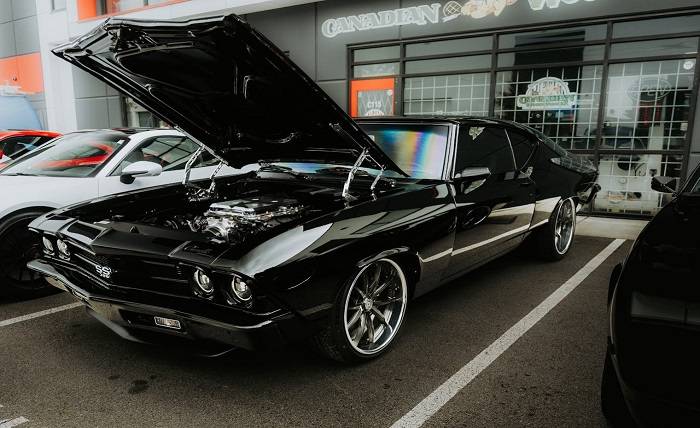
Luxury vehicles represent much more than just a means to get from point A to point B. They symbolize status, craftsmanship, cutting-edge technology, and a unique blend of comfort and performance. For decades, luxury cars have captivated enthusiasts and everyday drivers alike, offering an experience that transcends traditional automotive boundaries.
What Defines a Luxury Vehicle?
At its core, a luxury vehicle is characterized by superior quality in design, materials, and engineering. Unlike standard cars, luxury vehicles often boast handcrafted interiors, advanced safety features, powerful engines, and state-of-the-art technology. These cars typically provide a ride that is smoother, quieter, and more responsive.
Key defining factors include:
- Premium Materials: Leather upholstery, real wood or carbon fiber trim, polished metal accents, and high-grade plastics.
- Advanced Technology: Cutting-edge infotainment systems, driver assistance features, adaptive suspension, and customizable ambient lighting.
- Superior Performance: Engines tuned for both power and smoothness, advanced transmission systems, and refined handling.
- Brand Heritage: Many luxury marques have a rich history of excellence, often tied to prestige and tradition.
Brands like Mercedes-Benz, BMW, Audi, Lexus, Jaguar, and Porsche are household names when it comes to luxury automobiles, each offering a distinct approach to luxury and performance.
The Evolution of Luxury Vehicles
The concept of luxury in automobiles has evolved dramatically over the last century. Early luxury cars were built by hand, tailored to the tastes and preferences of wealthy clients. The 1920s and 1930s saw brands like Rolls-Royce and Cadillac establish their reputations as makers of the most prestigious vehicles.
Post-World War II innovations introduced new levels of engineering sophistication and comfort. Air conditioning, power steering, and automatic transmissions became common in luxury cars during the 1950s and 1960s. The 1970s and 1980s witnessed the rise of high-performance luxury sedans blending speed with comfort.
More recently, the rise of technology has shifted the luxury landscape once again. Today’s luxury vehicles are often equipped with advanced connectivity, autonomous driving capabilities, and eco-friendly powertrains, such as hybrid and electric models.
Luxury Vehicles and Technological Innovation
One of the most exciting aspects of luxury vehicles is their role as the proving ground for automotive innovation. Luxury brands invest heavily in research and development to stay ahead of the curve, with technologies often trickling down to mainstream vehicles years later.
Advanced Safety Features
Luxury vehicles frequently pioneer the most sophisticated safety systems, including adaptive cruise control, lane-keeping assist, night vision cameras, pedestrian detection, and collision avoidance systems. These features enhance driver confidence and reduce accident risks.
Infotainment and Connectivity
State-of-the-art infotainment systems with large, high-resolution touchscreens, voice recognition, gesture controls, and premium audio systems are common. Many luxury cars offer seamless smartphone integration, wireless charging, and in-car Wi-Fi, transforming the vehicle into a mobile digital hub.
Autonomous Driving
Semi-autonomous and fully autonomous driving features are rapidly becoming a hallmark of luxury vehicles. Tesla, Mercedes-Benz, and BMW are among brands pushing the boundaries of self-driving technology, aiming to increase safety and convenience.
Sustainable Luxury
As environmental concerns rise, luxury automakers are leading the charge toward sustainability. Electric luxury vehicles like the Tesla Model S, Audi e-tron, and Mercedes EQ series demonstrate that luxury can be environmentally responsible without sacrificing performance or comfort.
The Craftsmanship Behind Luxury Vehicles
Luxury cars emphasize the artisanal element, often involving skilled craftsmen in the production process. Hand-stitched leather seats, hand-polished wood veneers, and custom interior details contribute to a sense of exclusivity and personalization.
Many luxury brands offer bespoke programs allowing customers to customize nearly every aspect of their vehicle, from paint color to interior materials to embroidery patterns. This level of personalization enhances the emotional connection between owner and automobile.
The Experience of Driving a Luxury Vehicle
Driving a luxury car is often described as an immersive experience. The combination of a powerful yet refined engine, precise handling, and a plush interior creates an environment where driving is both pleasurable and effortless. For those who prefer to relax and enjoy the ride without the responsibility of driving, many owners turn to exclusive Luxury Chauffeur Services, which offer a seamless blend of comfort, privacy, and prestige.
Performance and Handling
Luxury vehicles tend to feature engines that balance power with refinement — such as smooth V6, V8, or even V12 configurations, turbocharged or naturally aspirated. Adaptive suspensions adjust ride firmness dynamically, offering comfort during city driving and stability at high speeds.
Comfort and Convenience
From multi-zone climate control to heated and ventilated seats, massaging seats, and noise insulation that blocks road and wind noise, luxury vehicles provide a sanctuary on wheels. Features like soft-close doors, power-operated trunks, and advanced keyless entry further enhance convenience.
Popular Segments of Luxury Vehicles
Luxury vehicles come in various shapes and sizes to suit different tastes and needs:
- Luxury Sedans: The quintessential luxury vehicle segment, combining elegance with practicality. Examples include the Mercedes-Benz S-Class and BMW 7 Series.
- Luxury SUVs: Offering the utility of an SUV with upscale finishes and advanced technology. Popular models include the Range Rover, Porsche Cayenne, and Audi Q7.
- Luxury Sports Cars: These cars blend high performance with luxury interiors, such as the Aston Martin DB11, Jaguar F-Type, and Ferrari Portofino.
- Electric Luxury Vehicles: A growing segment combining sustainability with luxury, including the Tesla Model S, Lucid Air, and Mercedes-Benz EQS.
The Cost of Luxury
The price tag of luxury vehicles often reflects the advanced features, craftsmanship, and brand prestige involved. While entry-level luxury cars may start around $40,000 to $50,000, ultra-luxury and exotic models can reach into the hundreds of thousands or even millions of dollars.
However, the investment often translates to higher resale values, exceptional build quality, and a unique driving experience. Additionally, luxury brands typically offer superior warranty and maintenance packages to protect their customers.
The Future of Luxury Vehicles
As technology progresses and consumer preferences shift, the luxury vehicle market is poised for transformative changes.
- Electrification: More luxury brands are committing to electric models and phasing out internal combustion engines over the next decade.
- Connectivity and AI: Future luxury cars will likely feature more advanced AI systems for personalized driving assistance and in-car experiences.
- Sustainability: Beyond electrification, sustainable manufacturing processes and eco-friendly materials will become a key focus.
- Shared and Autonomous Mobility: Luxury vehicles may also evolve to accommodate autonomous ride-sharing services, blending luxury with convenience in new ways.
Luxury vehicles continue to define the pinnacle of automotive excellence, merging cutting-edge technology, exquisite craftsmanship, and unparalleled comfort. They not only elevate the driving experience but also serve as a reflection of individual style and status. As the automotive world embraces new technologies and sustainability, luxury vehicles remain at the forefront of innovation, promising exciting developments for drivers and enthusiasts worldwide.